

Key Takeaways
- Khonoma sits 20km west of Kohima at about 1,621m, home to the Western Angami tribe.
- In 2005 it became India's first officially recognized "Green Village," the result of a conservation story that started with a single, brutal week of hunting.
- The village also resisted British colonial rule for nearly 50 years, ending in the 1879 Battle of Khonoma.
- Pair it with Dzukou Valley on our Hornbill Festival, Dzukou, Khonoma & Dzuleke, 5 Days or 4-Day Dzukou Valley Trek with Khonoma package.
Most people who visit Khonoma are passing through on the way to Dzukou Valley, a stopover, not the destination. That undersells it. Khonoma has its own reason to slow down for, a village that fought the British for two generations, then decades later, turned a moment of ecological guilt into one of India's most genuine conservation stories.
The Village That Wouldn't Be Taken
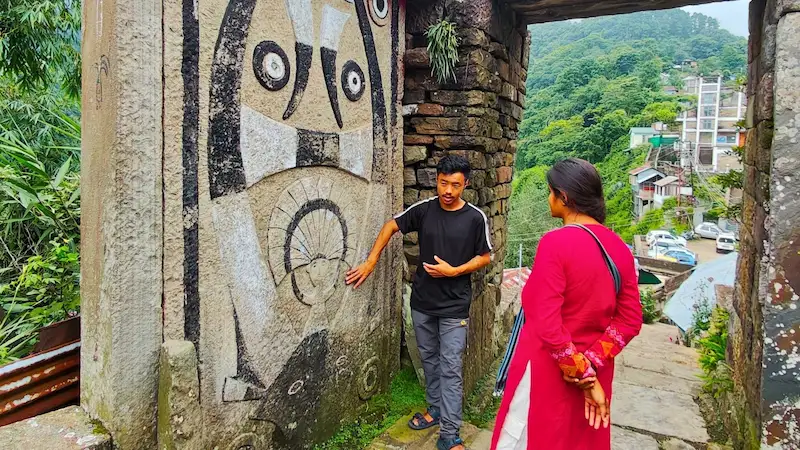
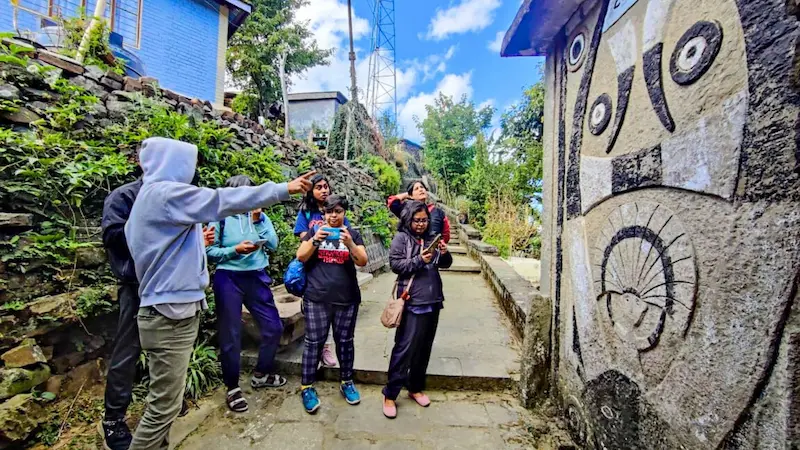
Khonoma is a Western Angami Naga village, its name in the local dialect, Khwüno-ra, comes from a local plant that once grew where the village stands (Wikipedia). Between 1830 and 1880, the Angami warriors of Khonoma resisted British attempts at forced recruitment and taxation, a resistance that came to a head in October 1879, when 27 British soldiers were killed in what's remembered as the Battle of Khonoma. A peace treaty followed in March 1880, marking what's often described as the Nagas' last organized resistance against colonial rule (Khonoma.in). Walking through the village today, you pass through stone gates and fortifications built by three clans, Thevo, Merhü, and Semo, each with their own forts and feast platforms still standing.
The Week That Changed Everything
Here's the part most visitors never hear about. In the 1990s, during a hunting competition, villagers killed roughly 300 Blyth's tragopans, Nagaland's state bird, and already endangered, in a single week (Incredible India, official). It wasn't a slow environmental decline that prompted change here, it was that one number, seen all at once. A local figure, Tsilie Sakhrie, led the village to respond by banning hunting across roughly 20 sq km of community forest, establishing the Khonoma Nature Conservation and Tragopan Sanctuary in 1998. The area now holds over 250 plant species and 196 documented bird species, alongside tigers, leopards, and bears. In 2005, the state recognized Khonoma as India's first Green Village.
What Visiting Actually Looks Like
There's a heritage walk through the village's three clan areas, past the old forts, stone gates, and feast platforms, each with its own layer of the resistance history built into the stone. Inside the sanctuary itself, guided trails run through genuinely dense forest, not a manicured park. The terraced wet-rice fields Khonoma is known for are still actively farmed using centuries-old methods, alder trees worked into the shifting-cultivation cycle to keep the soil fertile.
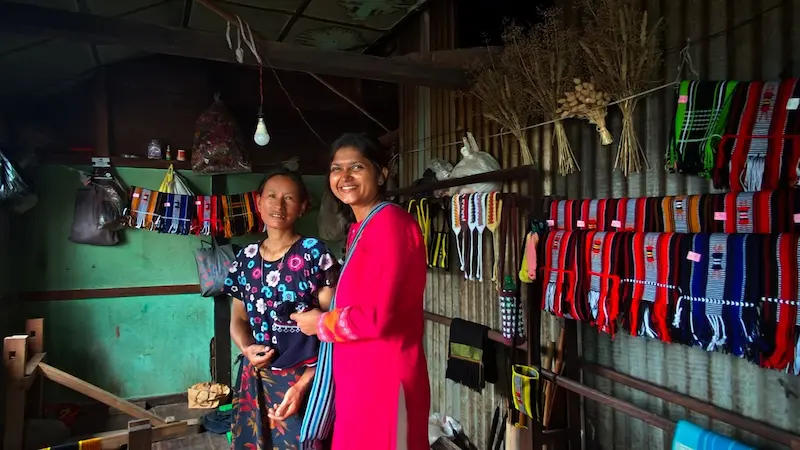
Crafts here aren't staged for visitors. Backstrap weaving, bamboo basket work, stone masonry, and carpentry are still how people actually make things, not a demonstration booth. Homestays are family-run, plain rooms, meals cooked on the hearth, no cultural performance laid on for tourists, just what daily life in the village actually looks like.
Best Time to Visit
October through May gives the clearest mountain views and more comfortable temperatures. June through September brings the monsoon, the terraces turn a deeper green and the whole village gets properly wet, worth it if you don't mind the rain, worth avoiding if you're trying to do the sanctuary trails in comfort.
Frequently Asked Questions
What makes Khonoma India's first Green Village?
In 1998, the village banned hunting across roughly 20 sq km of community forest after a hunting competition killed around 300 endangered Blyth's tragopans in a single week. The resulting conservation effort earned Khonoma official recognition as India's first Green Village in 2005.
How far is Khonoma from Kohima?
About 20km, roughly 30-40 minutes by road depending on conditions.
Can I combine Khonoma with the Dzukou Valley trek?
Yes, it's a common pairing. Our 4-Day Dzukou Valley Trek with Khonoma and Hornbill Festival, Dzukou, Khonoma & Dzuleke, 5 Days both build Khonoma into a longer Nagaland itinerary.
What is the Battle of Khonoma?
An 1879 conflict in which Angami warriors killed 27 British soldiers during nearly 50 years of resistance to colonial rule. A peace treaty followed in March 1880, often described as the Nagas' last organized resistance against the British.
Are the crafts in Khonoma made for tourists?
No. Weaving, basketry, stone masonry, and carpentry are still how residents make things day to day, not a performance staged for visitors.
Plan Your Trip to Khonoma
Message us on WhatsApp and we'll build Khonoma into your Nagaland trip, paired with Dzukou Valley, Dzuleke, or timed around the Hornbill Festival.

About the Author
Ananya
Ananya hosts and creates content for TOB, covering the culture, food, and everyday moments of a trip that don't always make it into a standard itinerary. Writing here focuses on the experience side of travel, what a place actually feels like to visit, not just how to get there.
Inspired to Travel?
Let Us Plan Your Trip to Northeast India
Every place you just read about, we can take you there. Private, customised, unforgettable.


