

Key Takeaways
- North Sikkim splits into two routes: Lachung (Yumthang Valley, Zero Point) and Lachen (Gurudongmar Lake), both roughly 125-190 km from Gangtok.
- As of September 10, 2026, the Lachen-Lachung route has reopened after a landslide-damaged bridge was repaired, with new permit rules and a strict vehicle timing order now in force.
- Gurudongmar Lake sits at 5,430 m, one of the highest lakes in the world, and is sacred to Buddhist and Sikh pilgrims. Confirm its specific current access status with your operator, road reopening and lake-specific access have not always moved together in 2026.
- For the full Sikkim overview and permits, see our Sikkim Travel Guide.
North Sikkim is the most dramatic side of the state: real high-altitude terrain, a genuine alpine flower season, and villages close enough to the Tibet border that a traditional self-governance system still runs daily life. It's also the part of Sikkim most affected by the 2023 glacial flood, and 2026 has been a year of repeated reopenings, closures, and repairs. This guide covers both sides, Lachung/Yumthang and Lachen/Gurudongmar, with the current status as of this writing.
Lachung and Yumthang Valley
Lachung sits at roughly 2,700-2,900 m (8,900-9,600 ft), at the confluence of the Lachen and Lachung rivers, about 125 km from Gangtok and 25 km from Yumthang Valley (Wikipedia; Mangan District). Before 1950, it functioned as a trading post between Sikkim and Tibet, a route that closed after the Chinese takeover of Tibet. Today it's mostly a base camp: most inhabitants are of Lepcha and Tibetan descent, and the Lachung Monastery is the main cultural stop in the village itself.
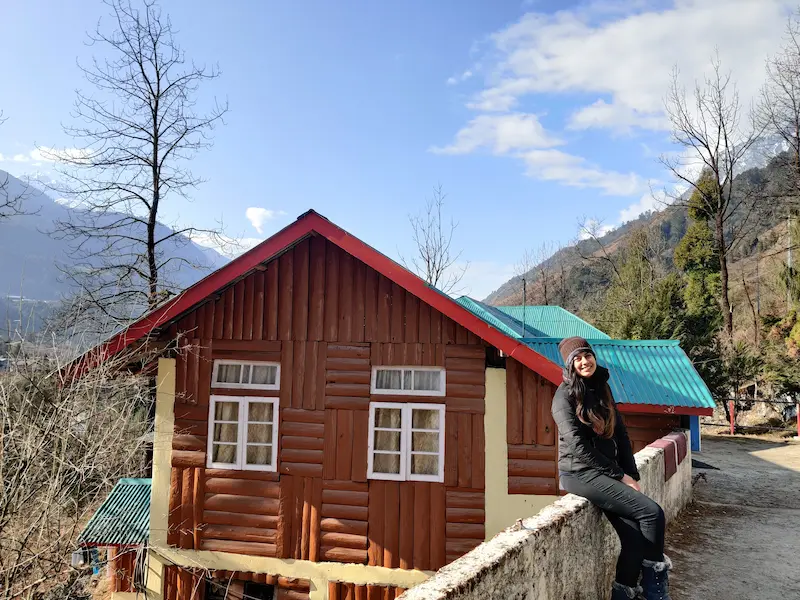
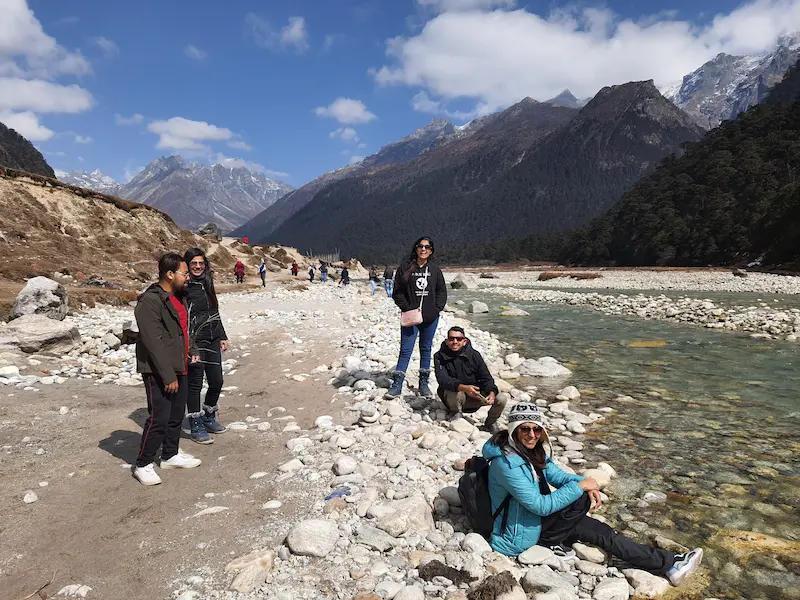
Yumthang Valley, part of the Shingba Rhododendron Sanctuary, sits higher at 3,564 m (11,693 ft), about 150 km from Gangtok and roughly a 2-hour drive from Lachung (Wikipedia). The sanctuary holds over 24 rhododendron species, Sikkim's state flower, and the valley earns its "Valley of Flowers" name honestly during bloom, which runs from late February into mid-June depending on the year. A geothermal hot spring sits within the valley too, a detail most general Sikkim guides skip. The valley closes December through March due to heavy snowfall.
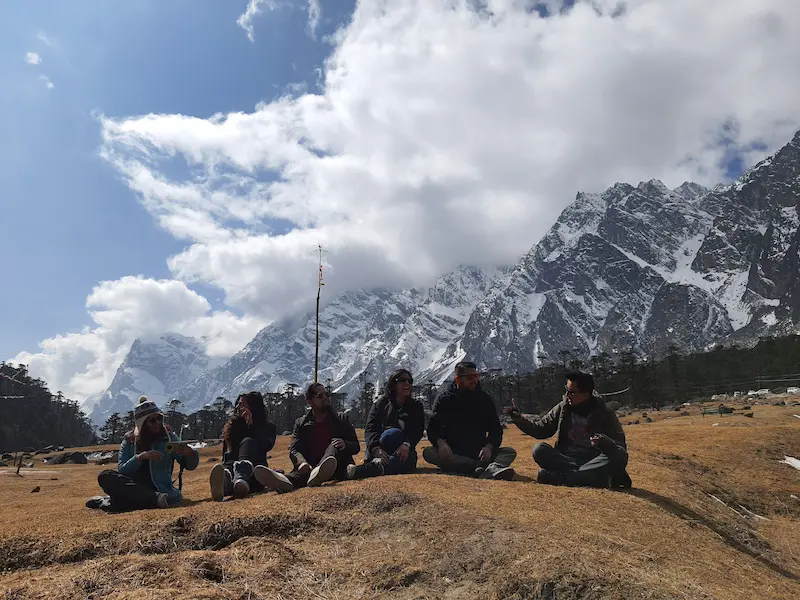
Beyond Yumthang, Zero Point (Yumesamdong) is a high-altitude extension most Lachung-based trips add on, usually with a separate on-the-spot vehicle charge since it's a further permitted stretch of road. Expect snow here most of the year given the altitude.
Lachen and Gurudongmar Lake
Lachen sits at about 2,900 m (9,600 ft), roughly 129 km from Gangtok, near the Indo-Tibetan border (Wikipedia). The name means "Big Pass," and the village still runs on Dzumsa, a traditional self-governance system where every household has a say, an unusual detail for anywhere in India still functioning day to day.
Gurudongmar Lake, the reason most people push on to Lachen, sits at 5,430 m (17,800 ft), one of the highest lakes in the world, covering 118 hectares about 5 km from the Chinese border (Wikipedia; Incredible India). It's sacred to Buddhist and Sikh pilgrims: local tradition holds that Guru Padmasambhava thawed part of the lake by hand in the 8th century so villagers could draw water, and a section is said to stay unfrozen year-round because of it. A Gurudwara built at the site in the late 1990s became a point of dispute over whose tradition the lake belongs to; it was formally handed to Lachen Monastery in 2001. The lake itself is largely frozen through winter, with sources giving slightly different exact windows for when it's reliably accessible, confirm current conditions with your operator rather than assuming a fixed calendar month.
Current Status: What's Actually Open (Updated September 17, 2026)
North Sikkim has had a genuinely complicated 2026. Here's the real timeline:
- October 2023: A glacial lake outburst flood (GLOF) at South Lhonak Lake devastated the Teesta River route, cutting off Lachen and Gurudongmar Lake entirely.
- March 9, 2026: Permits resumed after roughly 887 days, following the reopening of the Chungthang-Lachen road and a new 400-foot Taram Chu bridge.
- Around June 2026: Gurudongmar Lake closed again for further safety assessment.
- April-August 2026: Fresh landslide damage hit the Taram Chu bridge; repairs finished by the end of August.
- September 10, 2026: The Mangan district administration issued a new traffic order confirming the Lachen-Lachung route is open, with new rules now in force (below).
New rules as of September 2026:
- Permits now require a minimum 3 days/2 nights itinerary to cross Toong Check Post (single-night permits are no longer issued), maximum 6 days/5 nights.
- Permits must be arranged at least 1 day in advance; same-day permits aren't available.
- All vehicles, both heading in and heading back, must cross Toong Check Post by 4 PM, arrivals after that aren't permitted to proceed. This applies in both directions, and the order cites road, weather, and terrain conditions, plus avoiding travel after dark.
- Expect ID/permit checks at multiple points along the route; carry photocopies.
These rules took effect immediately and remain "until further orders," meaning they could change again. One honest note: some published guides are still showing Gurudongmar Lake as closed since June 2026, that information hasn't caught up with the September reopening of the route itself. Whether the lake specifically is open right now is worth confirming directly with your operator, road access and lake access haven't always moved together this year.
How to Reach North Sikkim
Most trips route through Gangtok, reached via Bagdogra Airport (IXB, ~100 km from Gangtok), Pakyong Airport (PYG, ~30 km from Gangtok), or New Jalpaiguri (NJP) by train (~100 km from Gangtok), then continue north by road via Mangan. See our Sikkim Travel Guide for the full gateway and permit breakdown.
Permits for North Sikkim
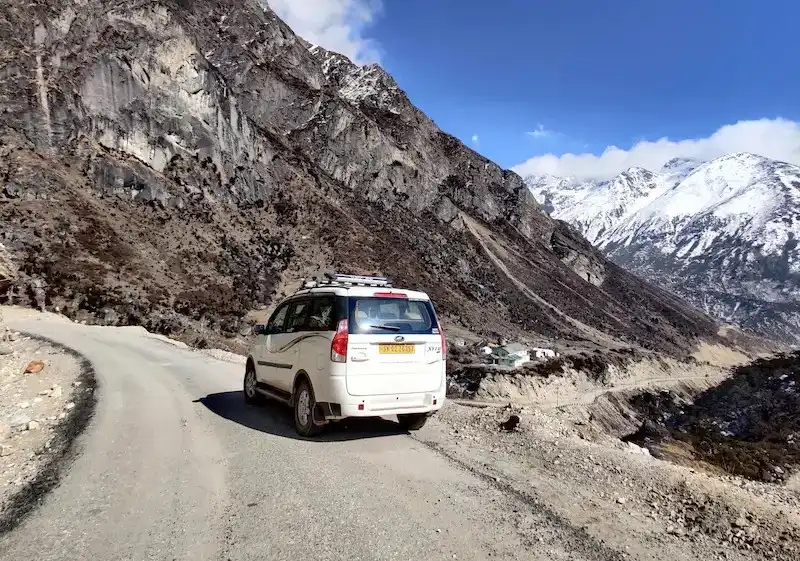
Both Lachung/Yumthang and Lachen/Gurudongmar require a Protected Area Permit (PAP), arranged by your operator. Foreign nationals can visit Yumthang Valley but are barred from Gurudongmar Lake entirely.
Best Time to Visit
- Late February-mid June: Yumthang Valley's rhododendron bloom window, though peak is typically April
- October-December: clearest mountain views, colder temperatures
- Year-round: always weather-dependent, particularly on the Lachen side given the 2023-2026 disruption history
Frequently Asked Questions
Is Yumthang Valley open right now?
Yes, Yumthang Valley and the Lachung route are generally the more reliable side of North Sikkim to plan a trip around, though the valley itself closes December-March for snow.
Is Gurudongmar Lake accessible?
The Lachen-Lachung route reopened on September 10, 2026 with new permit rules. Whether the lake itself is currently open depends on conditions that have shifted multiple times through 2026, confirm directly with your operator rather than relying on older listings.
What's new about visiting Lachen since the reopening?
Permits now require a minimum 3-day/2-night itinerary (no more single-night permits), must be booked at least a day in advance, and all vehicles must cross Toong Check Post by 4 PM in both directions.
What's the difference between visiting via Lachen versus Lachung?
Lachen is the base for Gurudongmar Lake; Lachung is the base for Yumthang Valley and Zero Point. A full North Sikkim trip can combine both across several days, or focus on one side depending on time and current access.
How many days does North Sikkim need?
A focused Lachung/Yumthang trip can work in 2-3 days from Gangtok. A fuller itinerary covering both Lachen and Lachung typically runs 5-6 days, matching our own 7-Day North Sikkim Expedition, which includes travel days from NJP/IXB.
Why does Lachen still use a traditional governance system?
Lachen (and Lachung) run on Dzumsa, a self-governance system where every household has representation in local decisions. It predates modern Indian administration in the region and still functions for day-to-day village matters.
Plan Your North Sikkim Trip With Us
We run a guided North Sikkim expedition covering both routes when conditions allow, with permits arranged and current road status factored in, not assumed from outdated listings. See our 7-Day North Sikkim Expedition or message us on WhatsApp to plan around what's actually accessible right now.

About the Author
Saurav
Loves being the one out front on a trail, camera in one hand, route notes in the other. Saurav leads treks and adventure routes across Northeast India and shoots most of TOB's on-ground photography along the way, so what he writes tends to come from having actually walked the path, not just planned it.
Inspired to Travel?
Let Us Plan Your Trip to Northeast India
Every place you just read about, we can take you there. Private, customised, unforgettable.


